- HOME
- THE SOURDOUGH JOURNAL
- SOURDOUGH STARTER
- Building Your First Sourdough Starter
- SOURDOUGH BREAD
- Your First Sourdough Loaf
- Jalapeño Cheddar Sourdough Loaf
- Roasted Garlic & Parmesan Sourdough
- SOURDOUGH SWEET BAKES
- SOURDOUGH DISCARD
- PIZZA & FOCACCIA
- SLOW MORNINGS BREAKFAST & BRUNCH
- HOW TO FEED YOUR SOURDOUGH STARTER
- HOW TO KNOW WHEN YOUR STARTER IS READY
- HOW TO MAINTAIN YOUR STARTER
- HOW TO STORE YOUR SOURDOUGH STARTER
- HOW TO REVIVE YOUR SOURDOUGH STARTER
- COMING SOON

READ THE SIGNS
HOW TO KNOW WHEN YOUR STARTER IS READY
Look beyond the clock. Learn to recognize rise, bubbles, texture and aroma
BEGINNER
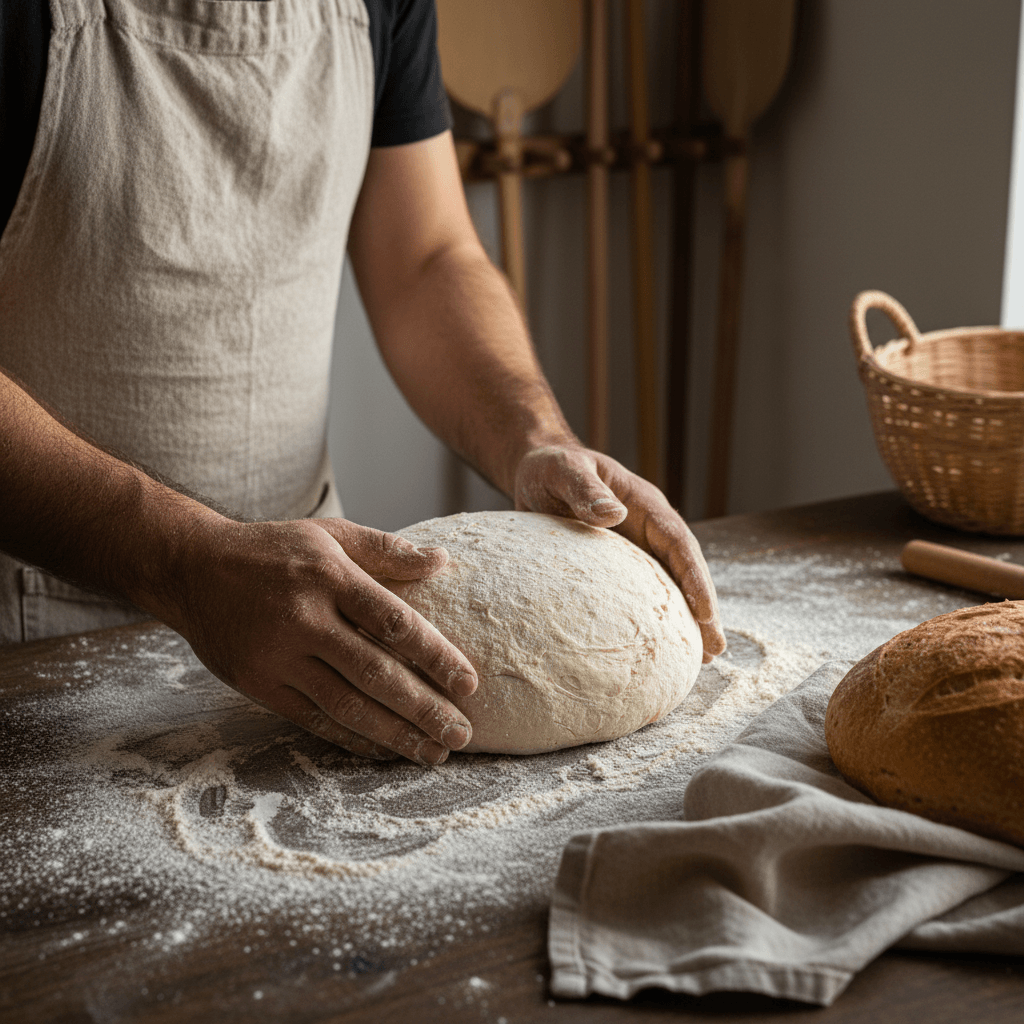
DON'T ASK THE CLOCK. ASK THE STARTER
Sourdough doesn't follow the same schedule every day. Temperature, flour, hydration and feeding ratios all influence fermentation.
Your starter becomes easier to understand when you learn to recognize its patterns.

THE 4 SIGNS
RISE
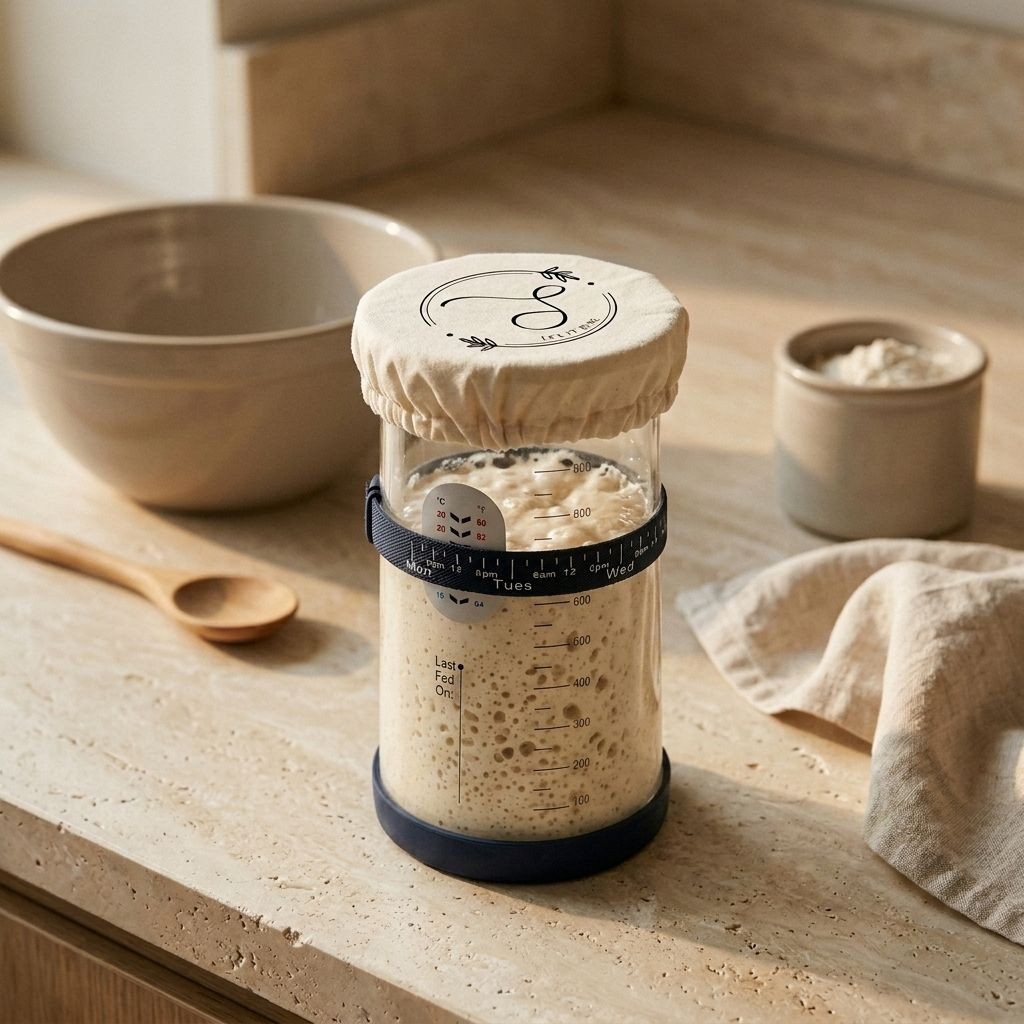
It should visibly increase in volume
BUBBLES
You should see fermentation throughout the starter
AROMA
Look for a pleasant fermented smell
TEXTURE
It should appear aerated and lively
THE SWEET SPOT
For many breads, you want to use your starter when it has reached strong activity and is near its peak — before it has completely collapsed
WHAT ABOUT THE FLOAT TEST?
A float test can be a useful quick check, but it should never replace observing the starter's rise, bubbles and overall activity.
IF YOUR STARTER ISN'T READY
BARELY RISING
→ Continue feeding and give it time
RISING VERY SLOWLY
→ Check temperature and feeding ratio
RISING & FALLING QUICKLY
→ Consider a larger feeding ratio or adjust your feeding schedule
WHEN THE STARTER IS READY, THE DOUGH BEGINS
When your starter is ready, it's time to turn all that patience into something you can share