- HOME
- THE SOURDOUGH JOURNAL
- SOURDOUGH STARTER
- Building Your First Sourdough Starter
- SOURDOUGH BREAD
- Your First Sourdough Loaf
- Jalapeño Cheddar Sourdough Loaf
- Roasted Garlic & Parmesan Sourdough
- SOURDOUGH SWEET BAKES
- SOURDOUGH DISCARD
- PIZZA & FOCACCIA
- SLOW MORNINGS BREAKFAST & BRUNCH
- HOW TO FEED YOUR SOURDOUGH STARTER
- HOW TO KNOW WHEN YOUR STARTER IS READY
- HOW TO MAINTAIN YOUR STARTER
- HOW TO STORE YOUR SOURDOUGH STARTER
- HOW TO REVIVE YOUR SOURDOUGH STARTER
- COMING SOON

- THE RHYTHM -
HOW TO FEED YOUR SOURDOUGH STARTER
Learn how feeding ratios, timing and temperature shape your starter's activity.
TIME
5–10 MIN
DIFFICULTY
BEGINNER
FREQUENCY
AS NEEDED
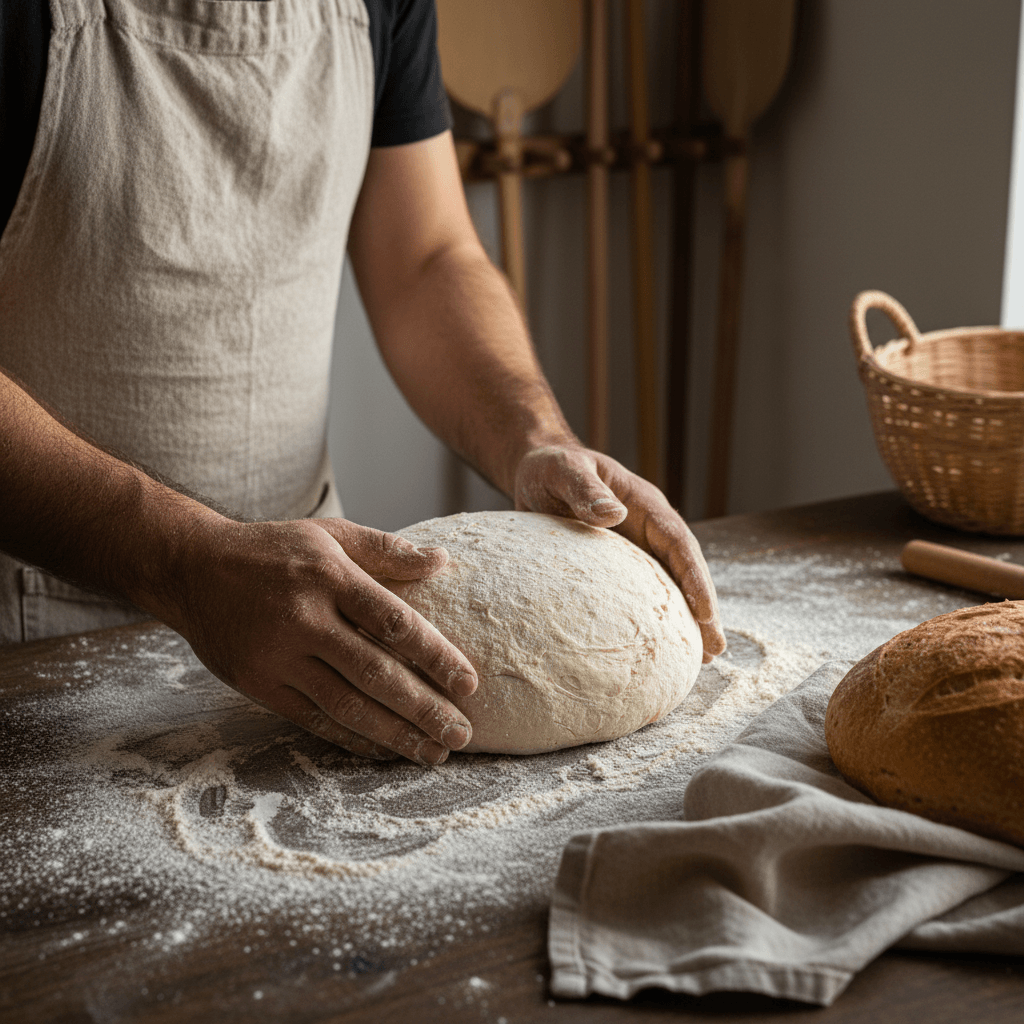
GIVE YOUR STARTER WHAT IT NEEDS
Every feeding gives your culture fresh flour and water. As the starter consumes those nutrients, fermentation becomes active again.
The goal isn't simply to feed at the same time every day. It is to learn the rhythm of your particular starter

A SIMPLE PLACE TO BEGIN
1 : 2 : 2
STARTER : WATER : FLOUR
Example:
25g starter
50g water
50g flour
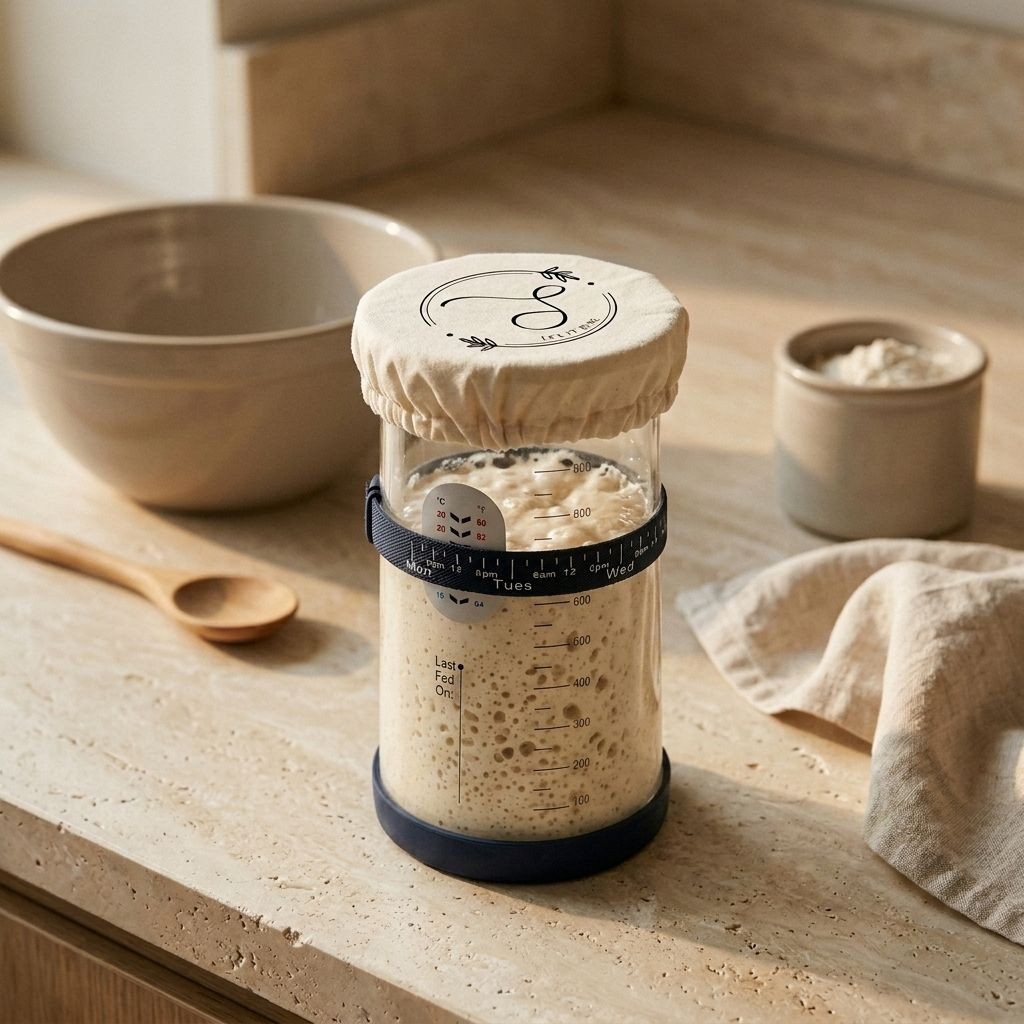
01 — KEEP
Keep the amount of starter you need
02 — ADD WATER
Add your measured water and mix.
03 — ADD FLOUR
Add fresh flour and mix until fully combined.
04 — WAIT
Cover loosely and let the starter ferment at room temperature.
WHAT TO WATCH FOR

RISING

BUBBLING
PEAKING
FALLING
FEED THE STARTER YOU HAVE
A warm kitchen may move fermentation quickly. A cooler kitchen may slow it down. Rather than following the clock blindly, use rise, bubbles and aroma as your guide
COMMON MISTAKES
DON'T
Overfeed without understanding the ratio
Ignore temperature
Feed based only on a fixed clock
Bake with a weak, inactive starter
DO
Observe
Record
Adjust
Repeat
READY TO BAKE?
Once your starter is active and predictable, you're ready to begin your first loaf